

Unlock the Secrets of LED Mesh Displays: Discover the Factories Behind the Bright Lights!
LED mesh display screens are rapidly becoming a staple in the world of advertising and information dissemination. Their unique ability to combine high-resolution visuals with a lightweight and flexible design makes them ideal for both indoor and outdoor applications, from stadiums and concert venues to retail environments and architectural installations. As these displays gain traction, understanding the factories that manufacture them becomes essential. Knowing where these screens come from helps consumers appreciate the quality, innovation, and technology that go into creating these eye-catching displays. In this article, we will explore the various aspects of LED mesh display screens, including their construction, the evolution of the technology, and the factories responsible for bringing these vibrant visuals to life.
Understanding LED Mesh Display Screens
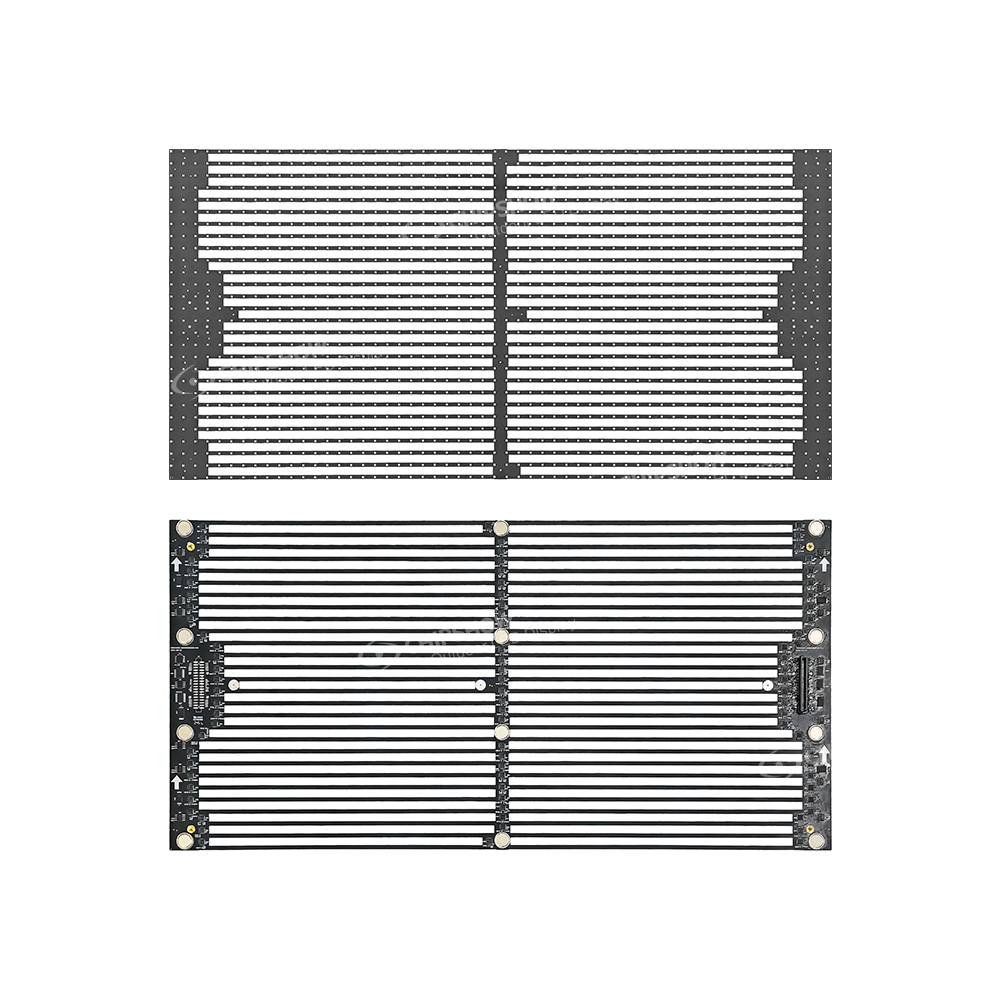
LED mesh display screens are a modern evolution of traditional LED displays, designed to provide high visibility while allowing air and light to pass through. Unlike solid LED screens, mesh displays are composed of a grid of LED lights mounted on a flexible mesh material. This design not only reduces weight but also enhances airflow, making them suitable for large-scale outdoor applications where wind resistance is a factor. The components of these displays typically include LED chips, a mesh substrate, and a control system that manages the display's brightness and color. The benefits of using mesh technology are significant; they offer greater versatility in installation, lower shipping costs due to their lightweight nature, and improved viewing angles. Furthermore, mesh displays can be integrated into various structures, such as building facades or stages, allowing for creative and dynamic advertising opportunities.
The Evolution of LED Mesh Technology
The development of LED mesh technology has been marked by continuous innovation. Initially, traditional LED displays dominated the market, but as demand for more versatile solutions grew, manufacturers began experimenting with mesh designs. Key milestones in this evolution include the introduction of transparent displays, which allowed for greater integration into architectural designs without compromising aesthetics. Over the years, advancements in LED chip technology have led to better color accuracy and brightness, while improvements in mesh materials have enhanced durability and flexibility. These innovations have not only expanded the potential applications of LED mesh displays but have also reduced production costs, making them accessible to a broader range of industries. As a result, we now see these displays being used in various contexts, from fashion shows to high-profile sporting events.
Factories Behind LED Mesh Displays
The manufacturing of LED mesh display screens takes place in specialized factories equipped with advanced technology. These factories typically focus on high-volume production, utilizing automated systems for assembly and quality control. The capabilities of these factories often include custom design services, ensuring that clients can receive displays tailored to their specific needs. The location of these factories plays a crucial role in production quality; those located in regions with a strong manufacturing base often have access to skilled labor and high-quality raw materials. Furthermore, the infrastructure surrounding these factories, such as logistics and supply chain networks, can significantly impact their efficiency and reliability. Understanding the dynamics of the factories that produce these displays helps consumers appreciate the craftsmanship and attention to detail that goes into each screen.
Key Manufacturers and Their Processes
Leading manufacturers of LED mesh displays employ a variety of processes to ensure the quality of their products. The design phase often involves collaboration with clients to create customized solutions that meet specific requirements. During assembly, skilled labor is complemented by automation, allowing for precision and speed. Quality assurance measures are integrated throughout the production process, from initial inspections of raw materials to final testing of completed displays. This meticulous approach ensures that every LED mesh display meets high standards for performance and durability. An anecdote from a friend who visited one such factory highlighted the importance of teamwork and communication in these environments, where every individual plays a vital role in producing a flawless product.
Future Trends in LED Mesh Displays
The future of LED mesh display technology is bright, with several trends poised to shape its evolution. Emerging technologies, such as organic LEDs (OLEDs) and micro-LEDs, promise to enhance the performance and efficiency of mesh displays, resulting in even better image quality and lower energy consumption. Additionally, as environmental sustainability becomes a priority, manufacturers are exploring eco-friendly materials and production processes. Market demands for interactive and immersive experiences are also influencing the design of these displays, with a growing emphasis on integrating augmented reality (AR) features. As the industry continues to evolve, we can expect to see LED mesh displays becoming increasingly versatile, adapting to various applications and environments while pushing the boundaries of creative visual communication.
Final Thoughts on LED Mesh Displays
In summary, LED mesh display screens represent a remarkable fusion of technology and creativity, with their unique design and functionalities making them a preferred choice in various industries. Understanding the factories that manufacture these displays provides valuable insights into the quality and innovation that underpin their production. As we look to the future, the continuous advancements in LED mesh technology promise to unlock even more possibilities for visual communication. Whether for advertising, art, or informational displays, LED mesh screens are set to play an increasingly prominent role in our lives, urging us to stay informed about the innovations shaping this vibrant field.